Saturday, 30 November 2024

Tools and items to keep handy when starting a foundation for a new building in Nigeria

Your toolkit should be:

1. Theodolite 
2. Try square 
3. Measuring tape
4. Hammer
5. Marker pens

Other items:

1. Bundles of wooden pegs
2. 2x3 profile wood
3. 3" nails
4. 2" nails 
5. Lines (rope) 

Plots of land for sale at Ugwuomu Nike, Enugu.

We are selling plots of lands at Ugwuomu Nike. N5.5 million naira for each plot of about 60 x 100 feet. Land comes with survey documents, deed of conveyance and is already registered at Land ministry, Enugu. 

The moment a helicopter was transported to Okpara square Enugu for Children's park

Enugu as a fun destination has been getting more and more fun toys for residents and tourists to visit and enjoy their outdoor activities. Take for instance the arrival of this helicopter, to be installed at a park at Okpara square, where children will visit and explore the insides this holiday season. Peter Mba is doing well. 

Plan your build and build your plan

If you have concluded plans on how to start your new house, congratulations! Building your new home is one of the most interesting achievements in life, but you must first plan it very well to avoid regrets. There are usually a lot of things you must consider before setting out to meet the professionals that will help you plan your new building. They include the following.

1. The intended use for the house

This is perhaps the most important consideration you will need to make, is this house going to be a holiday home, a continuous use house that you will live with your family, or a place you stay whenever you have business in the location. Do you plan to use some part of it as a commercial venture where you can collect rent by letting some rooms, or turning the front to a shop. These are some of the questions you need to ask yourself and have the answers before you go any further.

2. House type

There are many different types of buildings, the bungalow, duplex, twin duplex, duplex/flats, block of flats, shopping stores and soft contained apartments. You have to decide which will work well for your intended use. The neighborhood will play a role in what you choose, because there are different types of buildings that are suited for different neighborhoods. You have to consider the people that will stay in this building with you.

3. Contemporary or traditional building style

Of recent, Nigerian architectural designers has been favouring the contemporary building design over the hip roof, traditional building pattern that seemed to dominate the country's building scene in the 90s through the early 21st century. The new house owner has to sit down and study these two designs and make a choice on what he or she wants to build.

4. House features

The prospective house owner should first consider the features he needs in his building. Some love automated electrical fittings, solar powered designs, and some certain type of room arrangements to suit a particular need or needs. These features may also include central heating or air conditioning.

5. Family size and age

If you plan to live with your family, they should be well considered in every decision. Decisions like the number of rooms, layout of rooms and even the type of arrangement that will favour certain ages like the very young, and the very old should be put into consideration. People who plan to live with aged parents, inlaws or other relatives should plan their room layout with these in mind.

6. Family complexity

Let's face it, some men will have plans to marry two or more wives and live with them under one roof. The planning stage of their building is where they take care of the expected fallout of such family arrangement. Another aspect of it is for those who are planning to live with siblings, inlaws, friends and other visitors, either temporarily or permanently. The way they plan their building will differ from a man who only wants to marry one wife, and probably live with only his wife and children.

7. Land and weather conditions

In each location, there is this need to adhere to the land and weather conditions where you build, and make your plans accordingly. You must plan for the type of foundation you want to have, the expected weather conditions, is the place usually hot like Kano or cold like Jos? Is the place prone to flooding like Lagos or a dry, hard ground like Enugu? They all require different building approaches to ensure the weather doesn't become a problem in the future.

8. Plan your finances

Building a home is a huge financial task, for some people, their home is usually the biggest financial commitment they will ever make. It is better to plan the financial aspect of your building. This is because to start and be overwhelmed by the huge resources it will require will leave a sour taste in the mouth, for some people it will lead to the abandonment of the building due to lack of funds.
Whether you're planning on taking a loan, pulling money from savings, or planning to be taking out the funds through profits from an ongoing business(es), be sure to make good plans for each, to avoid surprises mid way into the building.

9. Plan with professionals

At this point, an architect, a structural engineer, a builder, among other building professionals should be on your call list. You should talk to as many as possible to find out what they know, or how experienced they are to take on your building. Do they have your time, can they give you good attention, do they show an understanding of the needs you have, can they act fast, do they have attitude problems? Are they honest people with a track record of integrity?

Choose your professionals with the care you will take to pick a surgeon. Mistakes could be very costly, and permanent.

10. Stick to your plans no matter the temptation

Finally, stick to your plan when you have chosen one. I have seen people who deviated from their building plans just because a friend or relative came around and told them that this type of building is no longer in vogue. People who get talked out of their intended building plans without good reasons may get confused and miss their intended targets. Don't get me wrong, taking a good advice, mostly from a knowledgeable professional and changing your mind is good, what we advice against is being tossed about by every random wind of suggestion, and thereby going off plan to please friends or relatives, not yourself.

Contact us for more building advice, subscribe to our newsletter by clicking on the subscribe button below.

(08033350750)

Friday, 29 November 2024

Lead causes of building project abandonment

What are the lead causes of building project delays or abandonment?

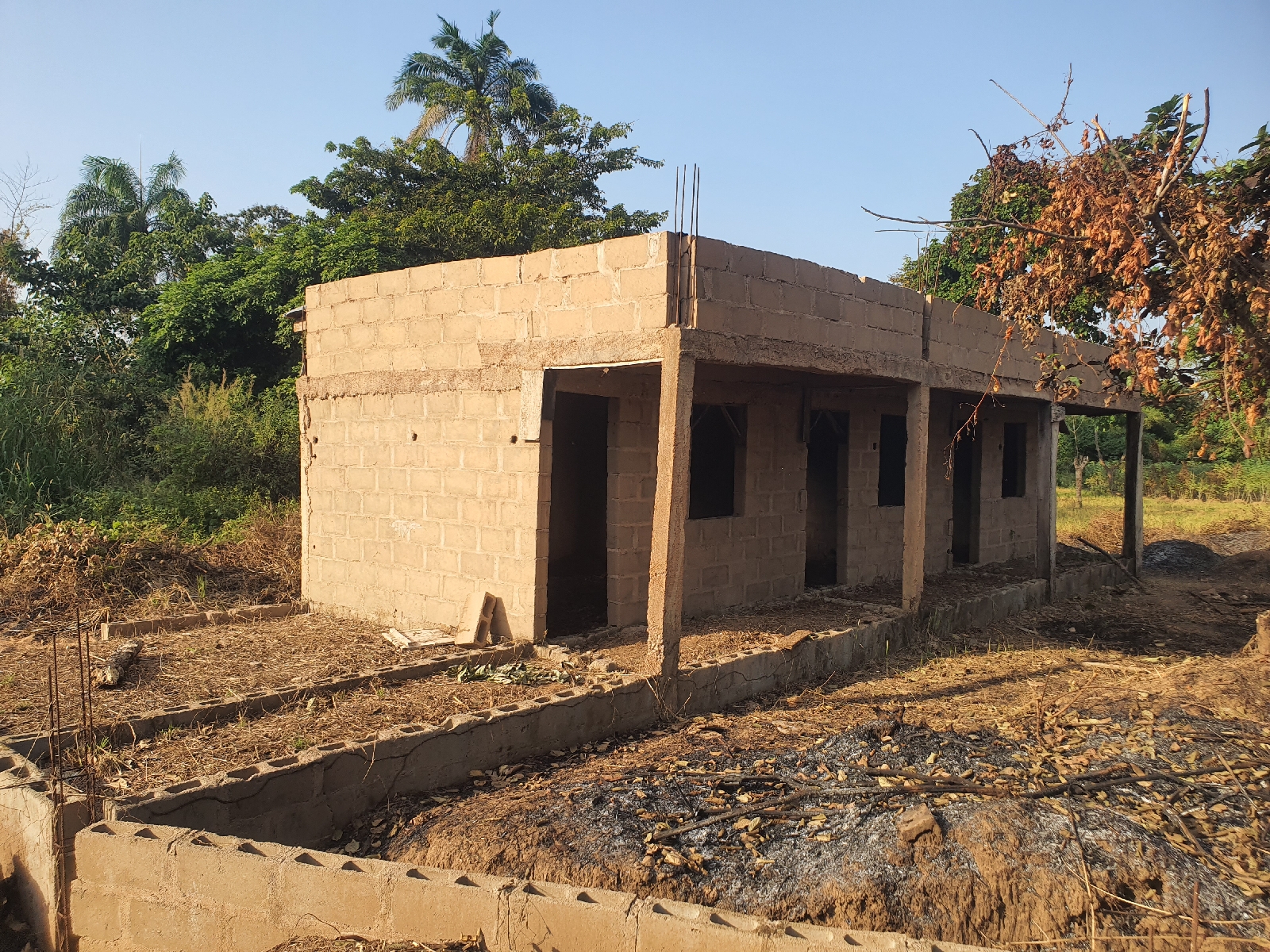
They are everywhere in every city, wherever you look you will see uncompleted houses, or housing projects that had stayed under construction for a long period of time, usually the site will be inactive or totally abandoned. In some extreme cases, the delayed or abandoned houses will be prone to pilfering, or outright stealing of building materials and other valuable items in the compound. So what are the causes of these types of unfortunate situations? I will outline a few of the main reasons below.

1. Failure to plan with professionals.

Some people still do not understand that those trained in relevant fields of construction are well placed to understand a lot of things that needs to be done before a building is started. Some will think its costly to hire professionals, and they will attempt to do some of the works themselves. Failure to involve professional advice even before a building is started can lead to avoidable mistakes like to adherence to necessary set backs required for the building in the compound it will be. Another mistake it might lead to is not planning the layout of the rooms, or not providing the building with enough headroom to make the building functional. In cases like this, the owner of the building may spend more money correcting the errors, and might get frustrated over the difficulty in making the corrections, then abandon the project.

2. Check government regulations

Another leading cause of building delays or abandonment is lack of adherence to government building regulations. There are recommended set backs for the front of buildings, the sides, and to the fence and to other buildings. There are also specified building heights, some areas could also be zoned to be low or high density areas. The building owner/investor should find out these government regulations and ensure he adheres to them. Failure to follow government regulations can lead to work stoppages, building enforcement or outright building demolitions. To avoid surprises which could lead to projects abandonment, always check the government approval authorities for their regulations.

3. Lack of financial planning

Your building is usually a major financial item. A lot of resources are going to be deployed to make it successful. In fact, a lot of money will be spent building your house. It is important to plan well for these huge financial commitments, are you going to take out loans to build this house, do you have savings that can complete this house, or do you plan to spend from salaries as they come, or from profits and other passive income to fund this building? These are some of the most important things you have to consider to avoid situations where the building will need money to be spent and you dont have the money to continue spending, resulting in project delays or abandonment.

4. Soured relationships

There could be situation where the professional handling your building project behaves in a way that could be termed as unprofessional, and this has led to misunderstandings, quarrels and fights which can delay, or force a stop to an ongoing building project.
There could also be a situation where the building professional, is fighting for control of the site with the relatives of the owner/investor, or even the paid staff of the the owners or investors due to some unplanned events that may occur in the life of the building project. These two mentioned scenarios, when not properly managed can lead to serious problems that can lead to project delays, and possible abandonment as each side tries to assert their authority over the project. When two elephants fight, the grass suffers, the grass in this case is the house building project.

5. Sickness/Demise of the building owner/key investor

Of course when the person who is most involved in the release of funds for the continuation of a building project suddenly falls sick passes on without an agreed plan of succession, the project will be forced to stop. This is why people should make their plans to ensure the continuation of their projects and programs even when they are indisposed. These plans could come in the form of a planned funding process fixed with the bank or other escrow services, or prepare their wills and place instructions with their financial planners or managers to continue a project whether they are there or not. 

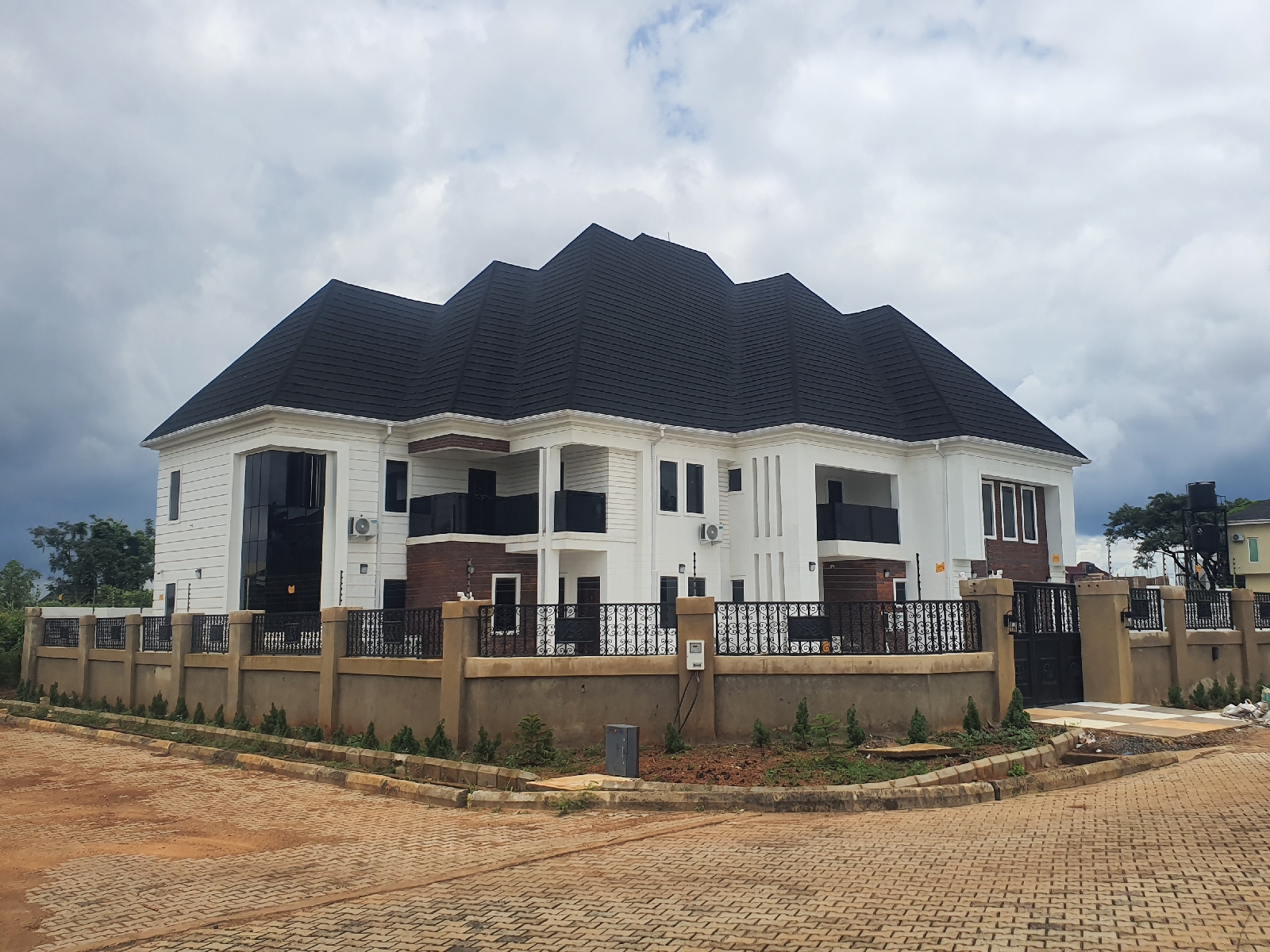
The house we built at our estate at Akpuoga Nike, Enugu.

These are the latest pictures from the building we erected at our estate at Akpuoga Nike. We are currently waiting for.more of our investors who bought lands here to start doing their fence and other buildings here. 

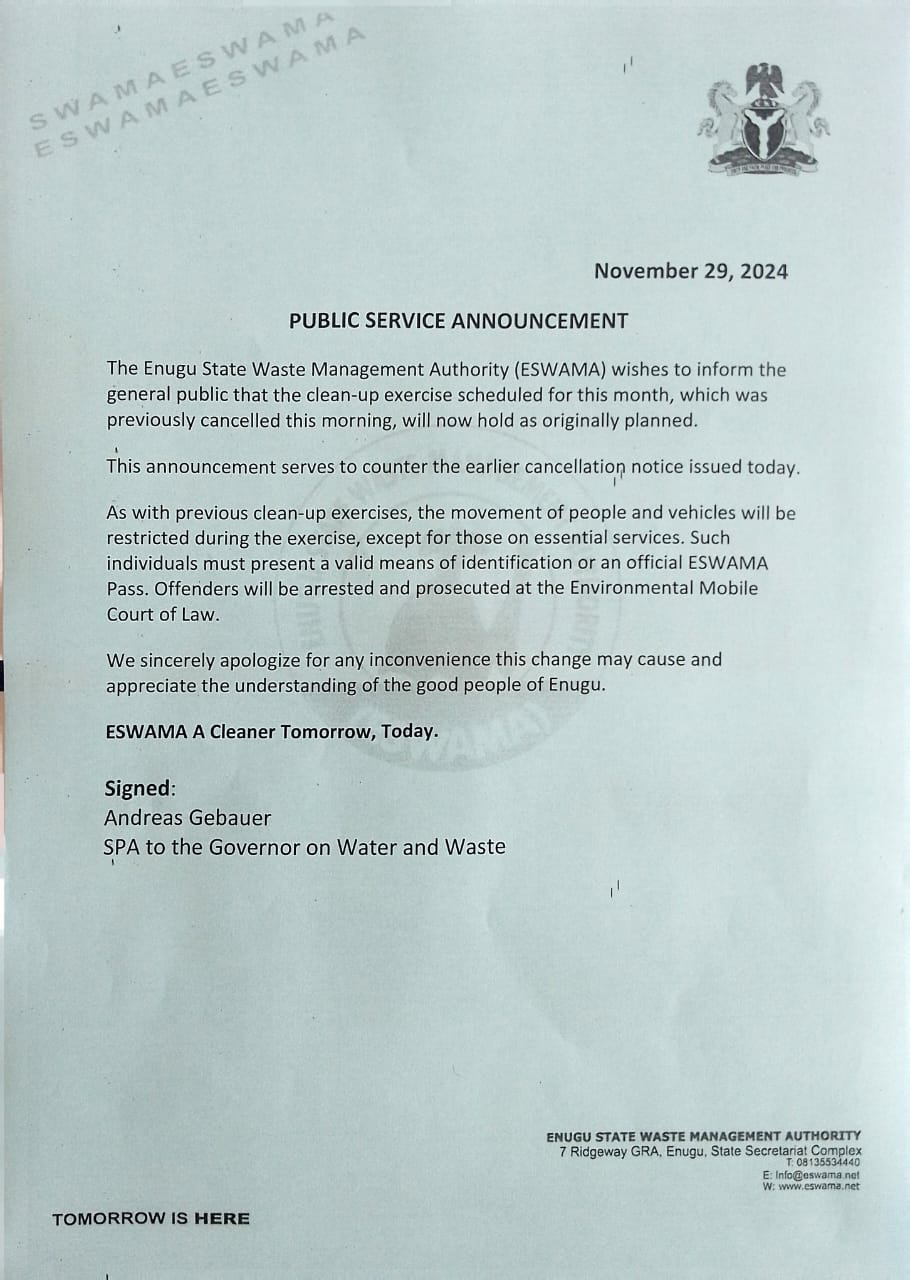
ESWAMA Enugu reverses self, insists on the observation of November clean up exercise.

Find the state government letter which reversed the first letter attached. With an apology. 

Tigerkenn Homes Ltd, Annual summary of our activities 2024.

TIGERKENN HOMES LTD, OUR ANNUAL SUMMARY 2024. Good day my people, we thank God for guiding us all through another year. This outgoing year 2...